
 By admin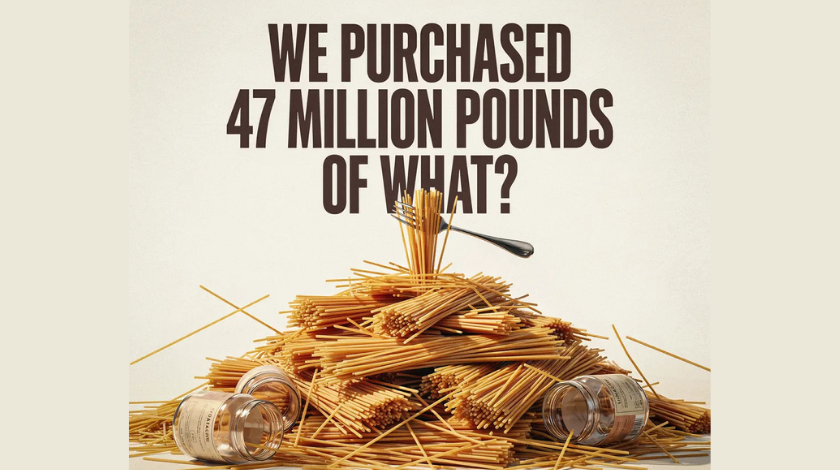
When people search for the phrase “in 2024 we purchased 47 million pounds of what,” they are often trying to identify a specific commodity, food item, or raw material mentioned in a corporate report, government publication, or sustainability announcement. The challenge is that millions of pounds can refer either to a unit of weight or to a monetary value expressed in British pounds sterling. Without additional context, the phrase can point to several different industries, from food production and agriculture to mining and manufacturing.
Large organizations frequently publish annual reports detailing how much of a product they purchased during a given year. These reports often contain eye-catching numbers measured in millions of pounds. Such figures are designed to demonstrate supply-chain scale, sourcing commitments, or production capacity. A single food company may purchase tens or even hundreds of millions of pounds of produce annually, while an energy or mining company may report purchases of raw materials in similar quantities. Understanding the context behind the statistic is essential before drawing conclusions.
Why the Phrase Creates Confusion
The word “pounds” has two meanings. It can refer to weight or currency. A report stating that a company purchased 47 million pounds of avocados means something very different from a report stating that it spent £47 million on equipment. Search engines often surface both types of results, which can make it difficult to determine the intended meaning.
Common Sources of Large-Scale Purchase Statistics
The most common sources include annual reports, sustainability reports, government trade statistics, and investor presentations. These documents often provide detailed breakdowns of procurement activity and purchasing volumes.
The Meaning of “47 Million Pounds”
Before identifying any product, it is important to establish whether the phrase refers to weight. In many corporate sustainability reports, food companies report produce purchases in pounds because it clearly communicates scale. Millions of pounds of tomatoes, lettuce, onions, or fruit are routinely purchased each year by large restaurant chains and food manufacturers. Historical examples show produce purchases well above 47 million pounds for individual crops, demonstrating that such figures are entirely realistic for major enterprises.
If the phrase refers to money, then 47 million pounds could represent spending on acquisitions, infrastructure, logistics, or operational expansion. Public companies frequently disclose expenditures of this size in annual financial reports. Without a source document, however, identifying the exact item is impossible.
Major Commodity Purchases in 2024
Food and Agricultural Products
Food remains one of the largest sectors for high-volume purchasing. Government trade statistics show substantial imports and purchases of fruit, vegetables, cereals, dairy products, and meat during 2024. Fruit and vegetables represented one of the largest import categories in the United Kingdom, illustrating the enormous scale at which food products move through global supply chains.
Fruit and Vegetables
Fresh produce often generates the largest volume figures. Restaurant chains, supermarkets, and food processors purchase massive quantities of tomatoes, avocados, onions, peppers, and lettuce each year. These products are measured by weight because they are sourced, transported, and distributed on a large scale.
Meat and Dairy
Meat and dairy also account for substantial procurement volumes. Government data shows billions of pounds in trade value and significant import activity across these categories during 2024.
Industrial Commodities
Industrial sectors also deal in large-scale purchases measured in pounds. Mining and energy companies frequently report production and purchasing quantities in millions of pounds. Uranium producers, for example, disclose purchases and production volumes measured in millions of pounds as part of investor reporting.
How Organizations Report Purchases
Companies increasingly publish sustainability reports to demonstrate transparency. These reports often highlight sourcing practices, environmental commitments, and procurement volumes. A figure such as 47 million pounds is typically intended to help stakeholders visualize operational scale.
Financial statements serve a different purpose. They focus on costs, revenues, profits, and investments. In these documents, the same number may refer to money rather than physical goods. Investors therefore need to read accompanying notes carefully before interpreting any statistic.
Examples of Multi-Million-Pound Purchases
The business world offers many examples of purchases measured in tens or hundreds of millions of pounds. Historical produce sourcing reports have documented purchases exceeding 100 million pounds of avocados and tens of millions of pounds of tomatoes, onions, and lettuce. These examples demonstrate how common large-scale procurement figures are in the food industry.
Government trade reports provide another illustration. Food, feed, and drink imports reached tens of billions in value during 2024, reflecting enormous purchasing activity across numerous commodity categories. Fruit and vegetable imports alone represented a significant share of total trade.
Interpreting Statistics Correctly
When encountering a statistic such as “47 million pounds purchased in 2024,” readers should always ask three questions:
| Question | Why It Matters |
|---|---|
| Is it weight or currency? | Prevents misinterpretation |
| Who made the purchase? | Identifies the reporting organization |
| What is the source document? | Provides context and verification |
These simple checks can eliminate confusion and reveal the true meaning behind the number.
Conclusion
The phrase “in 2024 we purchased 47 million pounds of what” does not currently correspond to a single widely recognized statistic in public search results. Instead, it likely originates from a specific report, article, or corporate statement where a product, commodity, or expenditure was measured in pounds. Current data shows that organizations routinely purchase tens of millions of pounds of food products, industrial materials, and agricultural commodities each year. Understanding whether the figure refers to weight or currency is the key to identifying the correct answer.
FAQs
1. Does “47 million pounds” usually mean weight or money?
It can mean either. Context from the original source is necessary.
2. What industries commonly report purchases in pounds of weight?
Food production, agriculture, mining, manufacturing, and energy industries.
3. Were large food purchases reported in 2024?
Yes. Government and industry reports show extensive purchasing and import activity across food categories.
4. How can I identify the exact product tied to the phrase?
Locate the original report, article, or company statement where the phrase appeared.
5. Why do companies publish these numbers?
They help investors, customers, and stakeholders understand operational scale and sourcing practices.