
 By admin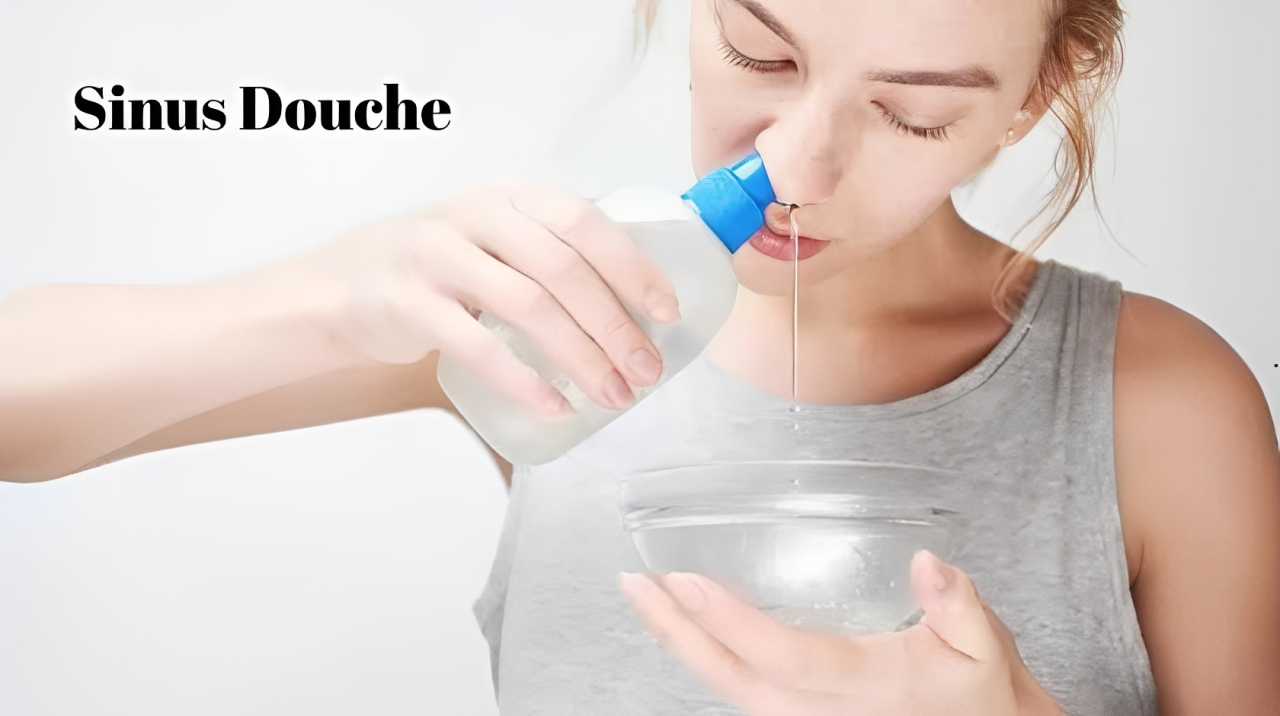
A sinus douche, also known as nasal irrigation, nasal rinse, or saline nasal wash, is a method of flushing the nasal passages with a sterile saltwater solution. Although the name “douche” may sound intimidating, the process is remarkably simple. A saline solution flows into one nostril and exits through the other, carrying away excess mucus, allergens, dust, and irritants that have accumulated inside the nose. Many people use devices such as neti pots, squeeze bottles, or powered irrigators to perform the rinse comfortably at home.
Nasal irrigation has been practiced for centuries and continues to be recommended by many ear, nose, and throat (ENT) specialists as a supportive treatment for several upper respiratory conditions. Rather than acting like a medication that changes body chemistry, it works mechanically by washing away material that contributes to congestion and inflammation. This makes it especially appealing for people who want symptom relief while minimizing medication use.
Modern medical guidance emphasizes that saline nasal irrigation is an adjunct therapy rather than a cure. It may help relieve symptoms associated with allergies, viral colds, chronic rhinosinusitis, and recovery after nasal surgery. Recent guidance from the CDC and FDA also highlights one critical point: never use untreated tap water. Only distilled, sterile, or previously boiled and cooled water should be used because rare but potentially fatal infections have occurred after people rinsed their noses with contaminated tap water.
How Nasal Irrigation Works
Imagine your nasal passages as the air filter in your home’s ventilation system. Over time, dust, pollen, bacteria, pollution particles, and thick mucus collect inside. A sinus douche functions much like washing that filter with clean water. Instead of simply masking congestion, the rinse physically removes material that blocks airflow and irritates delicate tissues.
The saline solution also helps restore moisture to the nasal lining. Dry indoor heating, air conditioning, pollution, and seasonal allergies can leave nasal tissues inflamed and uncomfortable. Saltwater helps thin thick mucus so it drains more easily while supporting the tiny hair-like structures called cilia that naturally move mucus toward the throat. When these cilia function efficiently, breathing becomes easier and trapped irritants are removed more effectively.
Researchers continue to study exactly how saline irrigation produces these benefits, but clinical evidence consistently suggests improvements in nasal congestion, mucus clearance, and overall symptom relief, particularly for people with chronic rhinosinusitis and allergic rhinitis. It is generally considered a low-cost, low-risk supportive therapy when performed correctly with appropriate water and clean equipment.
History of Nasal Cleansing
Although sinus rinsing may seem like a modern wellness trend, its origins stretch back thousands of years. Ancient yogic traditions described nasal cleansing, commonly known as Jala Neti, as part of daily hygiene practices intended to promote easier breathing and general well-being. Over time, this practice spread into various healthcare traditions before eventually gaining attention in modern medicine.
Today’s approach differs from historical methods because it is guided by scientific research and strict hygiene standards. Healthcare providers recommend commercially prepared saline packets or carefully measured homemade saline solutions mixed only with safe water. Medical-grade devices are also designed to improve comfort and reduce contamination risks compared with older techniques.
As evidence accumulated over the past several decades, nasal irrigation became integrated into clinical guidelines for managing chronic sinus conditions. Rather than replacing medications or antibiotics when truly needed, it serves as an additional tool that may improve comfort and reduce symptom severity. This balance between traditional practice and evidence-based medicine explains why nasal irrigation remains widely recommended by ENT specialists around the world.
Why People Use a Sinus Douche
People turn to sinus irrigation for many different reasons, but the common goal is simple: breathe more comfortably. Seasonal allergies expose the nose to pollen and environmental allergens that trigger inflammation and excessive mucus production. A saline rinse can help remove some of these allergens before they continue irritating nasal tissues, offering temporary symptom relief and complementing allergy medications.
During viral infections such as the common cold, mucus often becomes thick and difficult to clear. A sinus douche helps loosen these secretions, making it easier to breathe and reducing the feeling of pressure around the nose and forehead. Individuals with chronic sinus problems also frequently report improvements in congestion and quality of life when irrigation becomes part of their daily routine.
People recovering from nasal surgery may also receive instructions from their ENT surgeon to use saline irrigation. In these situations, rinsing helps remove dried blood, mucus, and crusting while supporting healing. The exact timing and frequency should always follow the surgeon’s instructions because postoperative care varies depending on the procedure performed.
Scientific Evidence Behind Nasal Irrigation
Over the past two decades, nasal irrigation has received considerable attention from researchers because it offers a simple, inexpensive, and drug-free way to manage common nasal and sinus symptoms. Numerous clinical studies have evaluated its effectiveness for conditions such as chronic rhinosinusitis, allergic rhinitis, the common cold, and recovery after sinus surgery. While saline irrigation is not a cure for these conditions, research consistently suggests that it can reduce symptoms, improve nasal airflow, and enhance overall quality of life when used correctly.
One reason nasal irrigation is so widely recommended is that it supports the body’s natural defense system rather than replacing it. The saline solution helps remove mucus, allergens, bacteria, and environmental pollutants while keeping the nasal lining moist. This promotes healthier function of the microscopic cilia that continuously move mucus toward the back of the throat. When mucus becomes too thick or excessive because of infection or allergies, the cilia struggle to perform efficiently. Irrigation helps restore this natural cleaning process.
Medical organizations including the American Academy of Otolaryngology–Head and Neck Surgery include saline irrigation in their clinical guidelines for managing chronic rhinosinusitis. Physicians often recommend combining nasal irrigation with other treatments such as nasal corticosteroid sprays because cleaning the nasal passages first may improve medication delivery. Studies have also shown that many patients experience fewer symptoms, reduced facial pressure, and improved breathing after adopting regular saline irrigation.
Although research findings are encouraging, experts emphasize realistic expectations. A sinus douche is not designed to eliminate bacterial infections, replace prescribed medications, or prevent every cold. Instead, it works best as a supportive therapy that reduces irritation and helps the nose function more effectively. When performed consistently and safely, many patients notice meaningful improvements in daily comfort without significant side effects.
Recent Medical Findings
Recent research continues to strengthen the evidence supporting saline nasal irrigation as part of comprehensive sinus care. Reviews of randomized clinical trials have found that patients with chronic rhinosinusitis often report reduced congestion, improved mucus clearance, better sleep quality, and fewer sinus-related symptoms after several weeks of regular irrigation. Similar benefits have been observed among individuals suffering from seasonal allergies, particularly during periods of high pollen exposure.
Scientists believe these improvements occur through several complementary mechanisms. Saline helps dilute inflammatory substances inside the nasal cavity, physically removes allergens before they trigger prolonged immune responses, and reduces swelling of the nasal lining. Hypertonic saline solutions, which contain slightly more salt than the body’s natural fluids, may offer additional short-term reduction in swelling, although some users experience mild burning or irritation compared with isotonic saline.
Researchers have also explored whether nasal irrigation reduces the duration of viral respiratory infections. While evidence suggests that irrigation may improve comfort and reduce nasal symptoms, it should not be viewed as an antiviral treatment. Instead, its greatest value lies in helping patients breathe more comfortably while their immune system clears the infection naturally.
Experts continue to recommend high standards of hygiene during irrigation. The rare but serious infections linked to contaminated tap water have reinforced the importance of using only distilled, sterile, or previously boiled and cooled water. Modern medical advice focuses as much on safe technique as on the benefits themselves, ensuring that patients receive symptom relief without unnecessary risk.
What Doctors Recommend
Most ENT specialists agree that saline irrigation is a valuable addition to the management of many nasal conditions when used appropriately. Doctors commonly recommend it for individuals with chronic sinus inflammation, allergic rhinitis, postoperative sinus care, and persistent nasal congestion. Because saline contains no medication, many patients including pregnant women and older adults can often use it safely after discussing their situation with a healthcare professional.
Physicians generally advise patients to irrigate once or twice daily during periods of active symptoms. People with chronic sinus disease may benefit from regular long-term use, whereas others may only need irrigation during allergy season or while recovering from a cold. Excessive irrigation beyond medical advice may occasionally lead to dryness or irritation, so moderation remains important.
Healthcare providers also emphasize cleaning irrigation devices after every use. A neti pot or squeeze bottle that remains damp can become contaminated with bacteria or mold over time. Devices should be washed thoroughly with hot water and soap, allowed to air dry completely, and replaced periodically according to the manufacturer’s recommendations.
Perhaps the most important recommendation concerns water safety. Tap water is generally safe to drink because stomach acid destroys many microorganisms. The nasal passages, however, do not provide the same protection. This is why doctors consistently instruct patients never to use untreated tap water directly for nasal irrigation. Following this simple rule dramatically reduces the already rare risk of serious infection.
Types of Sinus Douche Devices
Choosing the right irrigation device often depends on personal preference rather than effectiveness alone. Several different options are available, each with its own strengths and ideal use cases. Regardless of which device is selected, the most important factors remain proper technique, safe water, and consistent hygiene.
| Device | Advantages | Possible Drawbacks | Best For |
|---|---|---|---|
| Neti Pot | Gentle flow, inexpensive, easy to use | Requires correct head positioning | Beginners and daily maintenance |
| Squeeze Bottle | Stronger flushing action, greater pressure control | Pressure may feel uncomfortable for some users | Thick mucus and chronic congestion |
| Electric Irrigator | Consistent pressure, convenient, larger capacity | Higher cost, requires power or batteries | Frequent users and postoperative care |
Each of these devices accomplishes the same primary goal: delivering saline solution through the nasal passages to remove mucus and debris. The experience, however, varies depending on water pressure and user preference.
Neti Pot
The neti pot remains the most recognizable nasal irrigation device. Resembling a small teapot, it allows saline solution to flow gently through the nose using gravity rather than pressure. Many first-time users appreciate its simplicity because the water moves slowly and predictably, making the process less intimidating.
Using a neti pot requires proper positioning of the head. Leaning slightly forward while tilting the head to one side allows the solution to enter one nostril and exit through the other. Breathing through the mouth during the rinse helps prevent discomfort. Although the first attempt may feel unusual, most users become comfortable after only a few sessions.
One advantage of the neti pot is its affordability. Most models are inexpensive, reusable, and compatible with commercially prepared saline packets. Ceramic, plastic, and silicone versions are widely available, giving users flexibility based on durability and cleaning preferences.
Because the device relies on gravity rather than force, it is especially suitable for routine maintenance and mild congestion. Individuals with severe blockage may prefer a squeeze bottle that provides stronger flushing pressure.
Squeeze Bottle
Unlike a neti pot, a squeeze bottle allows users to control the pressure of the saline stream manually. Gentle squeezing creates a stronger flow capable of dislodging thicker mucus and stubborn nasal secretions. Many ENT specialists recommend squeeze bottles for patients dealing with chronic sinus inflammation because they can deliver a more thorough rinse.
The ability to vary pressure makes squeeze bottles highly versatile. Beginners can start with very gentle pressure before increasing it as they become more comfortable. Applying excessive force, however, is unnecessary and may cause temporary discomfort. A slow, steady squeeze usually provides the most effective irrigation.
Another advantage is convenience. Many squeeze bottles are lightweight, portable, and designed with measurement markings that simplify mixing saline solutions. Commercial saline packets are formulated specifically for these bottles, reducing the possibility of incorrect salt concentrations.
Cleaning remains particularly important because squeeze bottles contain flexible components that may retain moisture. Washing thoroughly after every use and allowing complete drying helps minimize bacterial growth and extends the life of the device.
Electric Irrigators
Electric nasal irrigators represent the most advanced option available for home use. These devices generate a continuous stream of saline at controlled pressure, providing consistent irrigation without requiring manual squeezing. Individuals who perform nasal irrigation frequently often appreciate the convenience and reduced hand effort these systems provide.
Many electric irrigators include adjustable pressure settings, allowing users to customize the intensity according to comfort. Lower settings suit sensitive nasal tissues, while higher settings can help clear heavier congestion. Some premium models even offer pulsating streams designed to improve mucus removal while maintaining user comfort.
Although these devices cost more than traditional neti pots or squeeze bottles, their durability and ease of operation make them attractive for long-term users. People recovering from sinus surgery may also find them particularly beneficial when recommended by their surgeon, as controlled pressure can provide effective yet gentle cleansing.
As with every irrigation method, proper cleaning and safe water remain essential. Even the most sophisticated device cannot compensate for poor hygiene practices. Regular maintenance, complete drying, and periodic replacement of worn components ensure safe and effective performance over time.
Step-by-Step Guide to Safe Sinus Rinsing
Using a sinus douche correctly is just as important as choosing the right device. Proper technique maximizes the benefits of nasal irrigation while minimizing the risk of discomfort or infection. Many first-time users worry that the process will be painful or difficult, but with a little practice, it often becomes a quick and comfortable part of a daily health routine.
Before beginning, wash your hands thoroughly with soap and water. Prepare your saline solution using only distilled, sterile, or previously boiled and cooled water. Never use untreated tap water directly, as harmful microorganisms may be present even when the water is considered safe to drink. Assemble your irrigation device according to the manufacturer’s instructions and make sure it has been cleaned and completely dried after its previous use.
Stand over a sink and lean your upper body slightly forward. Tilt your head to one side while keeping your forehead slightly higher than your chin. Breathe gently through your mouth throughout the process. Allow the saline solution to flow into the upper nostril so that it exits through the lower nostril. Avoid swallowing the solution. Once one side has been rinsed, repeat the process on the opposite side.
After finishing, gently blow your nose without excessive force. Some saline may remain in the nasal passages for a few minutes, so bending forward slightly can help drain any remaining liquid. Finally, wash the irrigation device with warm soapy water, rinse thoroughly, and allow it to air dry completely before storing it.
Preparing the Saline Solution
The quality of the saline solution directly affects both safety and comfort. Commercially prepared saline packets are often the easiest option because they contain the correct balance of salt and buffering ingredients. When mixed with the appropriate amount of sterile water, they produce a solution that closely matches the body’s natural salt concentration, reducing the likelihood of burning or irritation.
Some people prefer making their own saline solution at home. A commonly recommended recipe includes:
- 1 teaspoon of non-iodized salt
- ½ teaspoon of baking soda
- 2 cups (about 500 mL) of distilled, sterile, or previously boiled and cooled water
Mix the ingredients thoroughly until completely dissolved. Fresh solution should ideally be prepared daily, although unused portions may be refrigerated in a clean container for up to 24 hours. Before use, allow refrigerated saline to return to room temperature or warm it slightly. The solution should feel comfortably lukewarm rather than hot.
Using the correct salt concentration is important. Too much salt may cause burning, while too little can make the rinse uncomfortable because the solution is not balanced with the body’s tissues. Commercial saline packets eliminate this guesswork and are especially recommended for beginners.
Correct Irrigation Technique
Technique often determines whether the experience feels smooth and effective or awkward and uncomfortable. The goal is to let gravity or gentle pressure guide the saline through the nasal passages rather than forcing it. Relaxation is key—many users find that taking slow breaths through the mouth helps them remain comfortable throughout the rinse.
If water enters the throat, the head position usually needs a slight adjustment. Tilting the forehead a little more forward often solves the problem. Likewise, if the solution refuses to flow, congestion may be temporarily blocking the nasal passage. In such cases, gentle pressure rather than forceful squeezing is recommended. Excessive pressure can irritate sensitive tissues without improving results.
After irrigation, avoid lying flat immediately because small amounts of saline may continue draining from the sinuses. Waiting a few minutes before leaving the sink or engaging in physical activity can prevent unexpected dripping. Some individuals also find it helpful to perform irrigation before bedtime or before using a prescribed nasal spray, allowing medication to reach cleaner nasal surfaces.
With regular practice, the entire process usually takes only five to ten minutes. Many people eventually incorporate it into their morning or evening routine in the same way they brush their teeth.
Benefits of a Sinus Douche
One of the greatest advantages of nasal irrigation is that it provides symptom relief without relying on medication. By physically removing mucus, allergens, dust, and other irritants, a sinus douche helps reduce congestion and promotes easier breathing. This mechanical cleansing action can complement prescription treatments rather than replace them, making it a versatile option for many people.
People with seasonal allergies often notice reduced sneezing, itching, and nasal blockage after regular irrigation because pollen and airborne allergens are washed away before they trigger prolonged inflammation. Individuals with chronic sinusitis may experience less facial pressure, improved drainage, and fewer episodes of persistent congestion. Even during the common cold, saline irrigation can thin thick mucus, making it easier to clear naturally.
Another important benefit is improved comfort for people living in dry climates or spending long hours in air-conditioned or heated environments. Dry air can irritate the nasal lining, leading to crusting and discomfort. Saline helps restore moisture while supporting the natural movement of mucus by the cilia. Healthy ciliary function is essential because it represents one of the body’s primary defenses against inhaled particles and microorganisms.
Patients recovering from nasal or sinus surgery frequently receive irrigation instructions from their surgeons. In these situations, saline rinses help remove dried blood, mucus, and crusts that could otherwise delay healing. Regular irrigation may also improve the effectiveness of nasal steroid sprays by clearing mucus that blocks medication from reaching inflamed tissues.
Beyond symptom relief, many users report improvements in sleep quality, exercise tolerance, and overall comfort during allergy season. While these experiences vary from person to person, they illustrate why nasal irrigation has become a routine recommendation in both primary care and ENT practice.
Risks and Safety Precautions
Although nasal irrigation is generally considered safe, it is not completely free of risks. Nearly all serious complications reported over the years have been linked to improper water use rather than the irrigation process itself. This is why medical authorities repeatedly stress that only distilled, sterile, or previously boiled and cooled water should be used when preparing saline solutions.
Using untreated tap water can expose the nasal passages to microorganisms that are harmless when swallowed but dangerous if they enter the nose. Fortunately, such infections are extremely rare, and following proper water safety recommendations makes the risk exceedingly low. Equally important is maintaining clean equipment. Irrigation devices should be washed thoroughly after every use, rinsed well, and allowed to dry completely before being stored.
Some users experience temporary burning, ear fullness, or mild irritation, especially when the saline concentration is incorrect or the solution is too hot or too cold. These symptoms usually improve after adjusting the salt concentration or warming the solution to a comfortable temperature. Persistent pain, nosebleeds, or worsening symptoms should prompt consultation with a healthcare professional.
People with completely blocked nasal passages, recent facial trauma, severe nosebleeds, or certain ear conditions should seek medical advice before beginning nasal irrigation. Likewise, anyone with persistent fever, severe facial swelling, vision changes, or symptoms lasting longer than expected should be evaluated by a physician rather than relying solely on home treatment.
When performed correctly, however, nasal irrigation remains one of the safest non-drug approaches available for managing many common nasal complaints. Following basic hygiene principles, using safe water, and cleaning equipment consistently provide the foundation for effective and low-risk treatment.
Conclusion
A sinus douche, also known as nasal irrigation, has earned its place as a trusted supportive therapy for allergies, chronic sinusitis, common colds, and postoperative nasal care. By gently flushing the nasal passages with a properly prepared saline solution, it helps remove mucus, allergens, and other irritants while supporting the nose’s natural cleaning mechanisms. Many people experience easier breathing, reduced congestion, and improved overall comfort when irrigation becomes part of their regular routine.
The key to success lies in safe practice. Always prepare saline using distilled, sterile, or previously boiled and cooled water, keep irrigation devices clean, and follow the manufacturer’s instructions or your healthcare provider’s advice. Nasal irrigation should complement not replace medical evaluation and prescribed treatment when serious infections or chronic conditions are present.
Used responsibly, a sinus douche offers an effective, affordable, and evidence-based way to support nasal health. Whether you’re managing seasonal allergies, recovering from sinus surgery, or simply looking for relief during a cold, proper nasal irrigation can be a valuable addition to your self-care routine.
Frequently Asked Questions (FAQs)
1. Can I use tap water in a neti pot or sinus douche?
No. You should only use distilled, sterile, or previously boiled and cooled water. Untreated tap water may contain microorganisms that are safe to swallow but unsafe for nasal irrigation.
2. How often should I use a sinus douche?
For most adults, once daily during allergy season or while experiencing symptoms is sufficient. Some people with chronic sinus conditions may benefit from twice-daily irrigation if recommended by their healthcare provider.
3. Is nasal irrigation safe for children?
Yes, in many cases, but it should only be performed under adult supervision and according to a pediatrician’s recommendations. Younger children may require specially designed irrigation devices.
4. Can nasal irrigation replace antibiotics?
No. Saline irrigation helps relieve symptoms and improve mucus clearance, but it does not kill bacteria or replace antibiotics when a bacterial infection requires medical treatment.
5. What should I do if my ears feel blocked after rinsing?
Temporary ear fullness can occur if pressure is too high or your technique needs adjustment. Use gentler pressure, review your head position, and consult a healthcare professional if symptoms persist or become painful.